Port Gamble S'Klallam Tribe
Small Communities Cohort Program
Port Gamble S'Klallam Tribe
Culturally-Rooted Climate Resilience and Outreach
The nəxʷq̕íyt nəxʷsƛ̕áy̕əm̕ | Port Gamble S’Klallam Tribe (PGST or the Tribe) is a federally recognized tribe located at the northern tip of the Kitsap peninsula. For thousands of years, the ancestors of the nəxʷsƛ̕áy̕əm̕ made their living on the Strait of Juan De Fuca and Puget Sound, in villages across the Olympic Peninsula and San Juan Islands. The Tribe’s Usual and Accustomed (U&A) fishing and hunting areas span over 2.7 million acres.
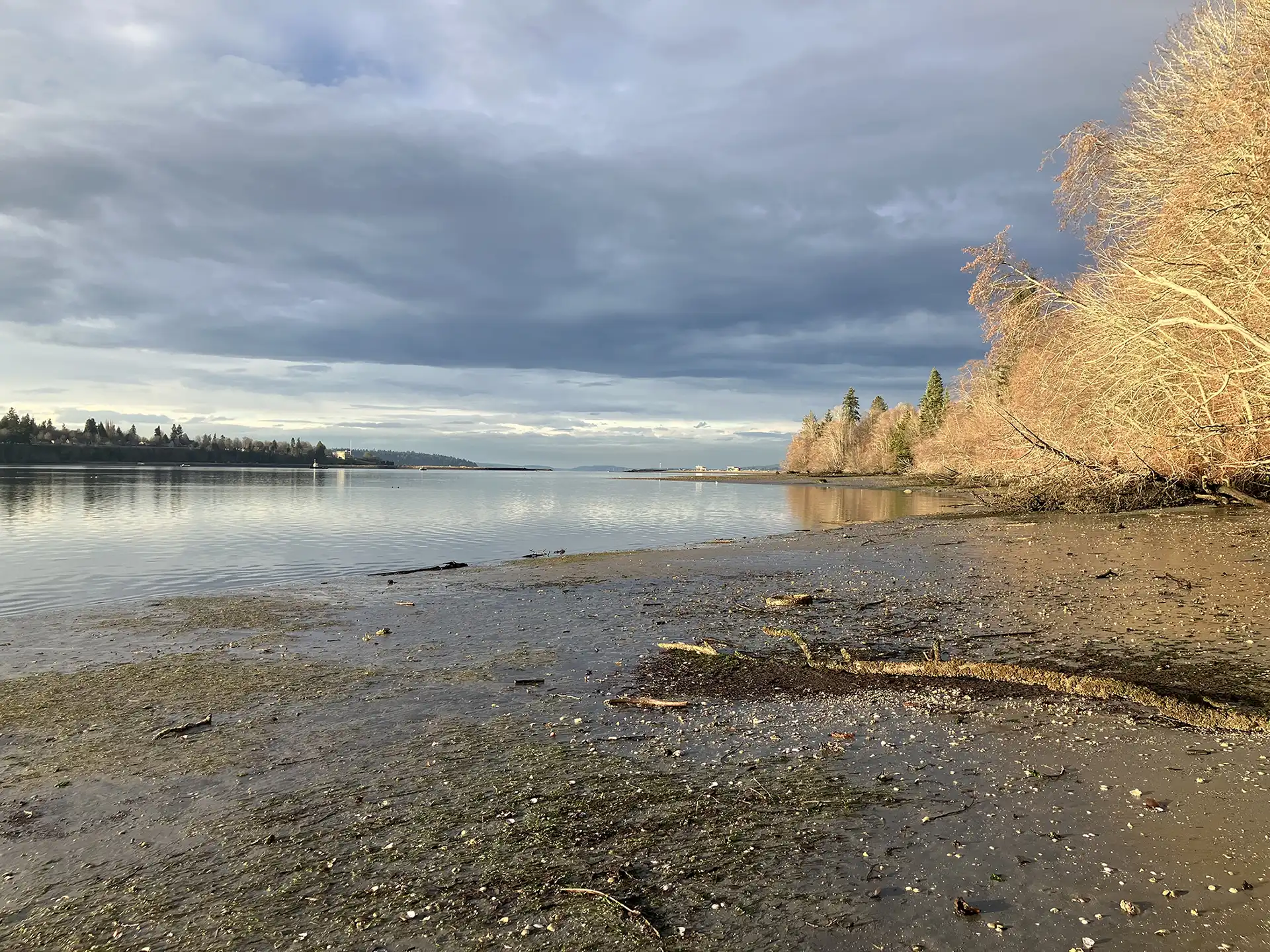
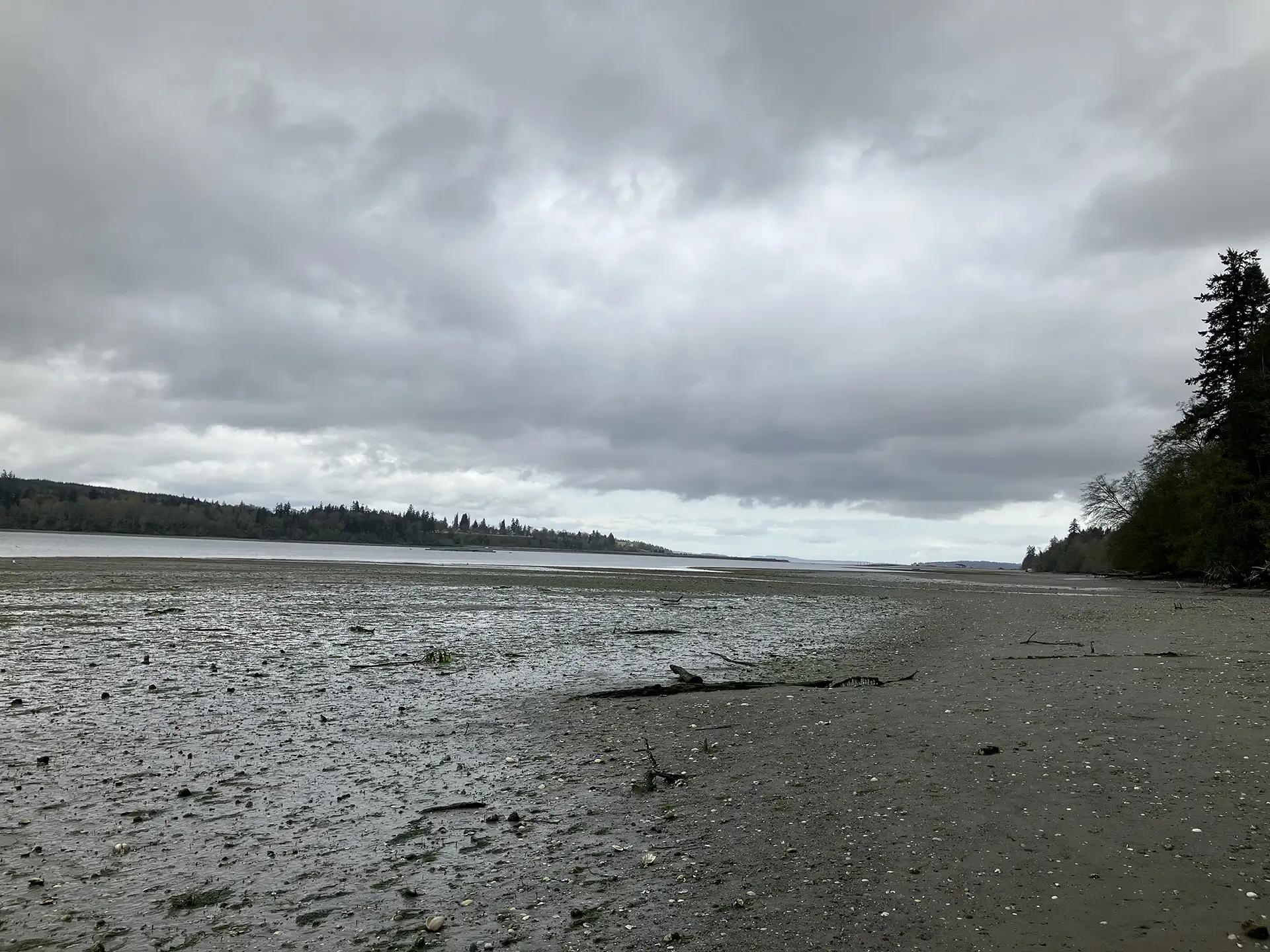
Environmental degradation and climate change are threats to the community’s wellbeing and to the Tribe’s sovereignty. Increasing stream temperature in Puget Sound and extreme heat events are causing shellfish population declines and unprecedented mortality for salmon. More frequent extreme weather threatens the Tribal government’s ability to function during a crisis and care for its citizens. Sea level rise increases risk of toe erosion and slope instability of the high bluff along the shoreline of the PGST reservation, and it also threatens community-centered areas, such as Point Julia, which is a key site of historical, ancestral, and cultural significance for the S’Klallam people.
PGST staff are working to assess, monitor and protect the coastal wetland against future climate stress. Much of the Tribe’s infrastructure is now set back safely from the shoreline, and the Tribe has engaged in a multi-year effort to assess risk and relocate families at higher risk of landslide activity to safer lots. The Tribe is committed to expanding climate and energy resilience to protect Tribal sovereignty and ensure a healthy environment for generations to come.
The Small Community Cohort Program Project
Through participation in the Small Communities Cohort, the PGST is working with the Collaborative to develop culturally relevant communications materials related to actions outlined in the Tribe’s Climate Action and Strategic Energy Plans. These materials will be developed in collaboration with the Tribe, inclusive of community engagement to solicit feedback and educational workshops to disseminate information. Through these efforts, the Tribe also aims to document first-person Tribal experiences with adverse climate impacts and power outages to further convey the importance of resilience efforts and support future funding applications.
Project Goals
01
Community outreach and engagement around climate impacts.
02
Assess Point Julia for potential climate impacts and protections.
Collaborative Project Fellow:
Adriana Apintiloaiei